
Wellness, the Circadian Rhythm and Lighting
New year, new beginnings, new resolutions. For many, this means focusing more closely on their health and lifestyle going into the new year.
Last year, I attended an interior design conference in London, where one topic in particular caught my attention: the growing emphasis on wellness within the interior design industry, with a specific focus on circadian rhythm–supportive lighting (adjusting the light colour temperature to the time of the day).
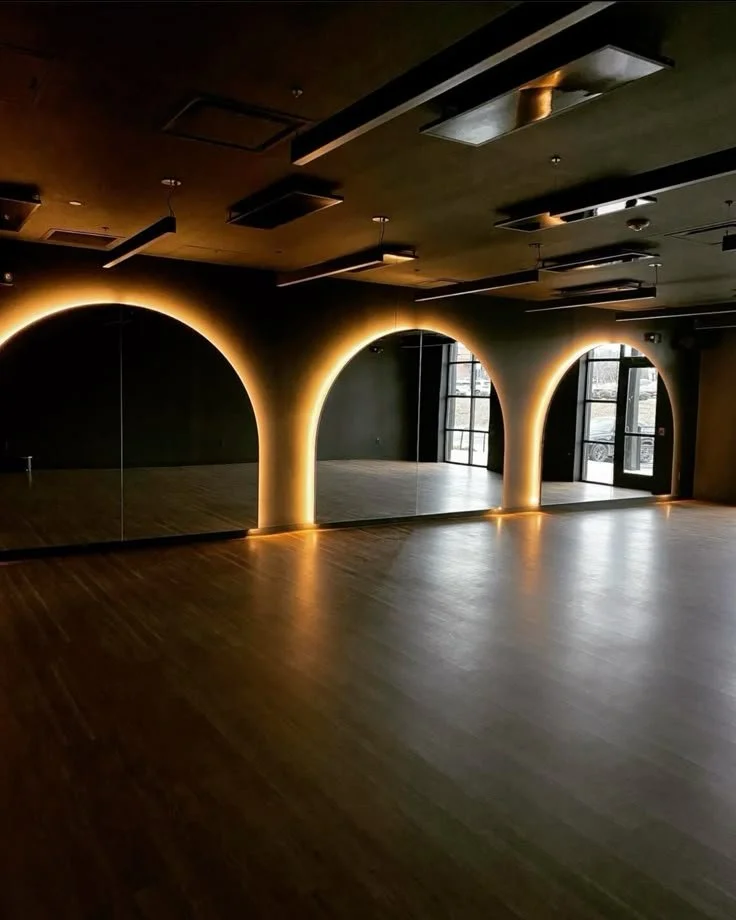
The Coterie Wellness Studio, NC, USA
“But is circadian lighting truly effective, or is it just another design fad or gimmick…”
…As one of my clients recently asked.
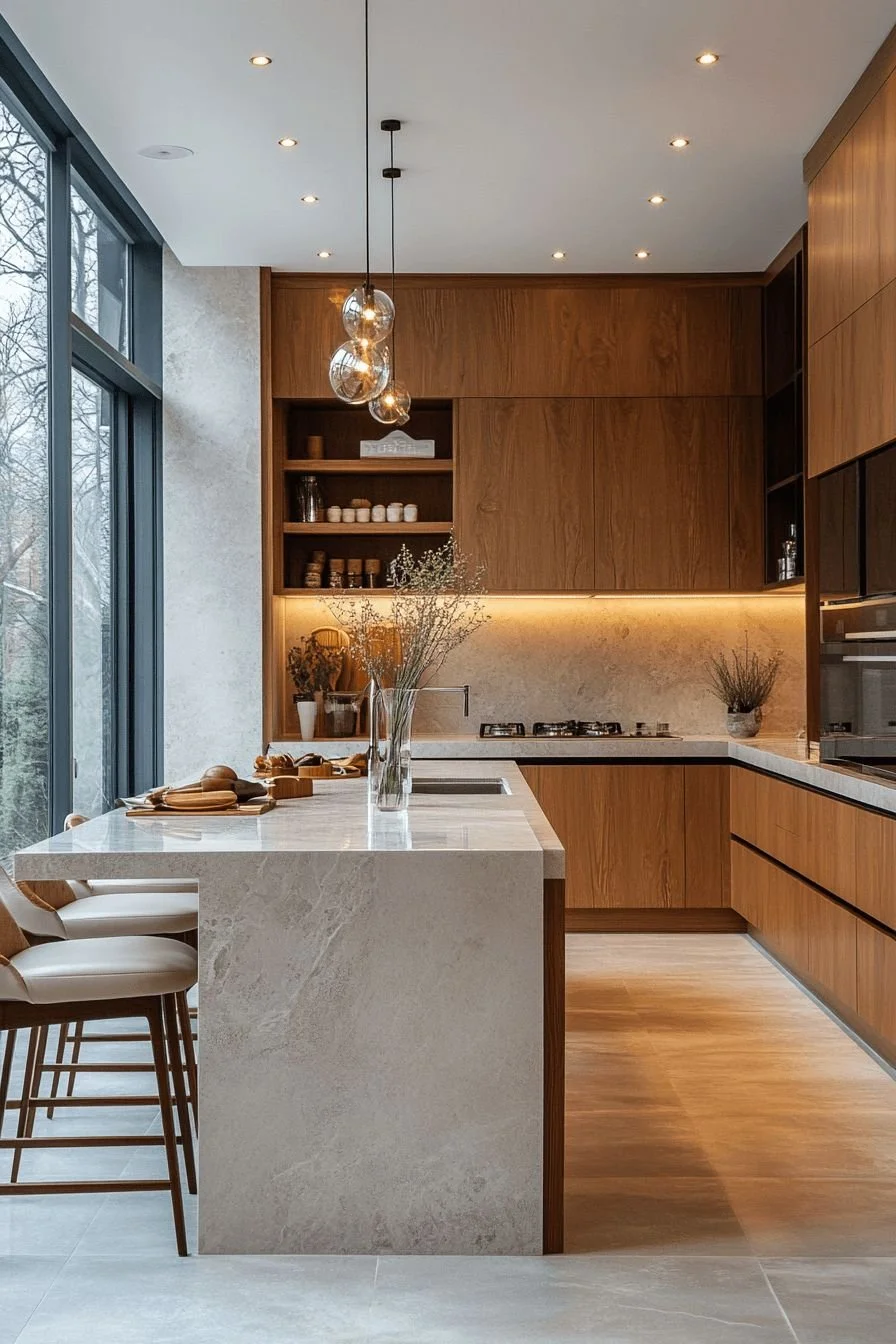

It all comes back to daylight.
Daylight is not a static light source. It changes throughout the day, throughout the year, shifting in intensity, angle, and colour temperature.
These subtle changes shape how we perceive materials, finishes, and the patterns of nature around us. They also influence our bodies and how we feel: the cool, bright light of midday energises us and prepares us to engage with the world, while the warmer, amber tones of evening calm us as the day draws to a close, preparing us to sleep.
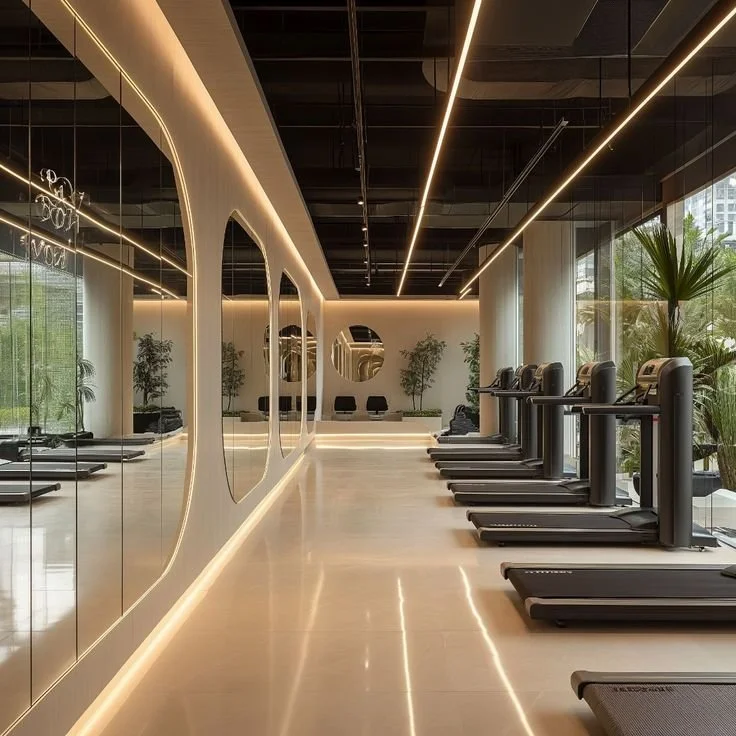

Lighting that responds to the rhythms.
Interior lighting should not rely on a single, unchanging source that delivers the same illumination throughout the day. We are not designed for that. As humans, we are biologically and emotionally attuned to the rhythms of natural light. Artificial lighting should respond to these rhythms. Evolving with dawn, day, dusk, and night to support both our well-being and our experience of space.
In my view, circadian rhythm–conscious lighting is important and features prominently in many of my designs (even before it was on trend!), but it is not the only answer when it comes to achieving healthy lighting. There is more to lighting ergonomics.
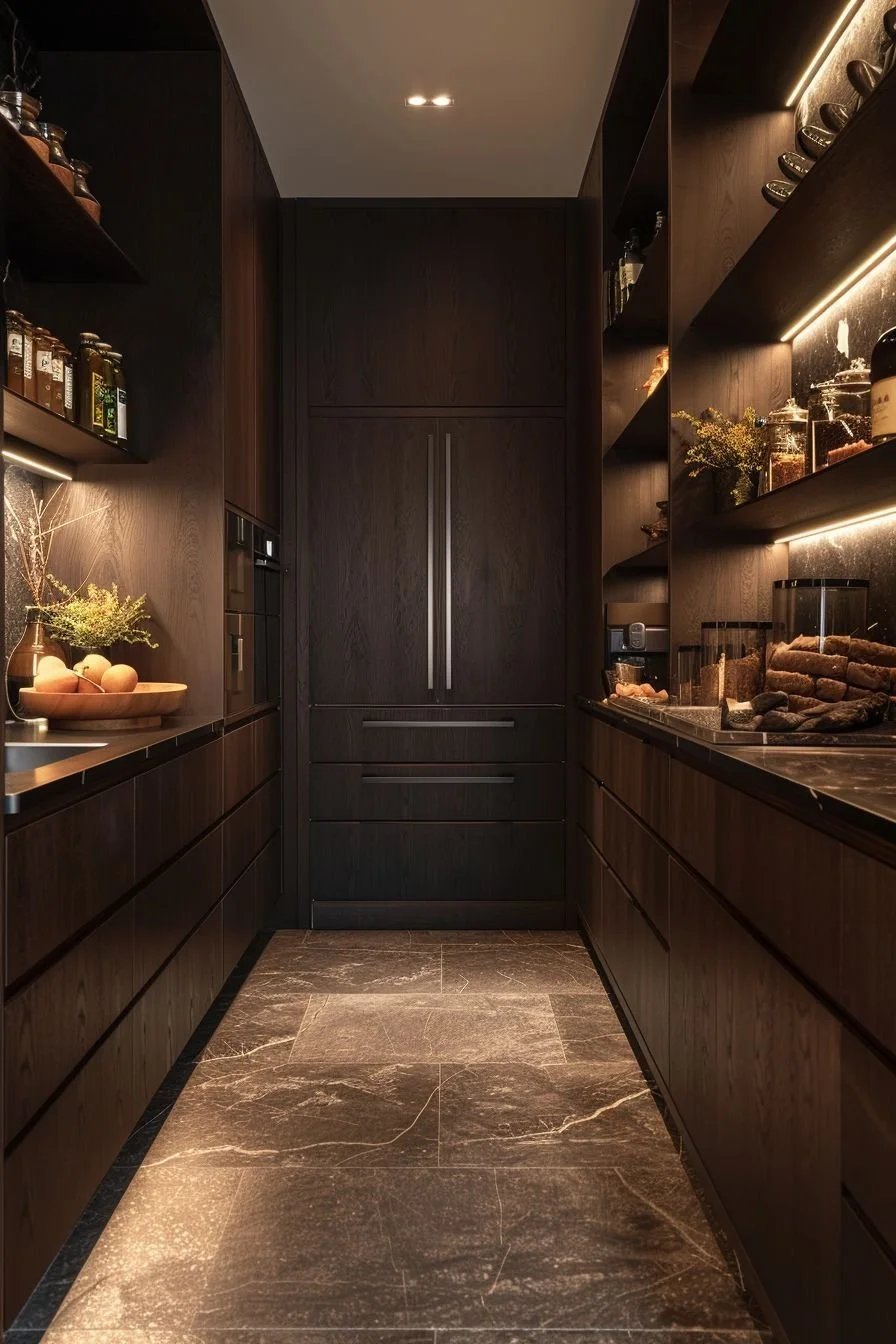

A layered lighting approach with purposely placed lights, the use of the right lighting intensity, colour temperature, and control will better support how a space is used and how it makes us feel. Interior artificial lighting needs to be more than a grid of downlights as the sole source of illumination for a room. Ask yourself this:
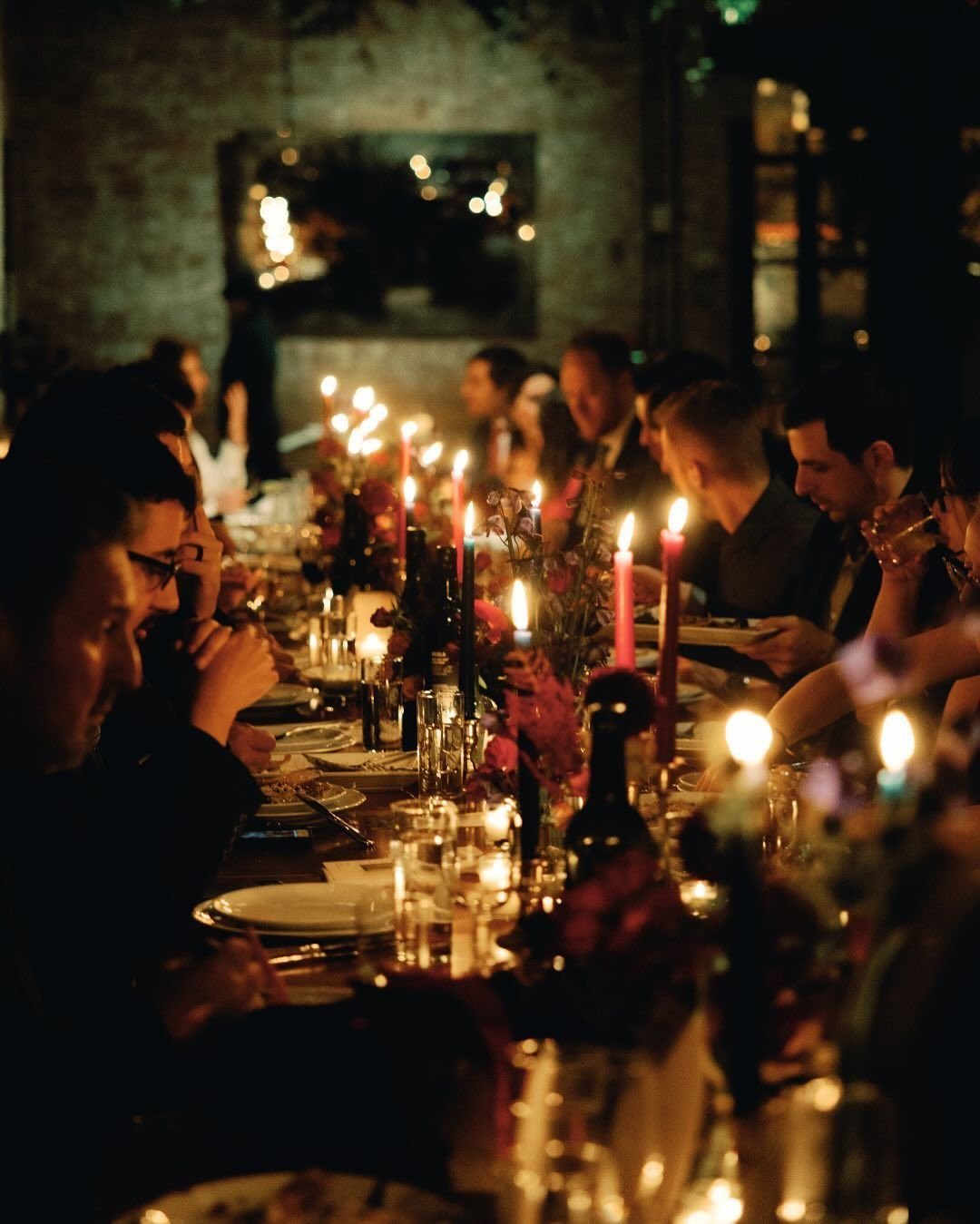
When preparing lunch at midday, bright, even lighting helps you see clearly and work efficiently. But would you want to make your 6 a.m. coffee on a dark winter morning under that same light? Probably not.
I’d love to hear your thoughts. What’s your take on wellness and lighting?
If you’d like to explore how ambient lighting can be integrated effectively into your project, we invite you to reach out for a complimentary consultation.