
What Makes a Space “Feel Right”
Many people still see lighting as nothing more than a mix of downlights for accent and decorative lights for ornament. The secret of many successfully lit spaces, however, is the introduction of ambient lighting. This is a layer that fills the interior with softness and warmth, and ceiling cove lighting is one of the tools used to create that atmosphere.
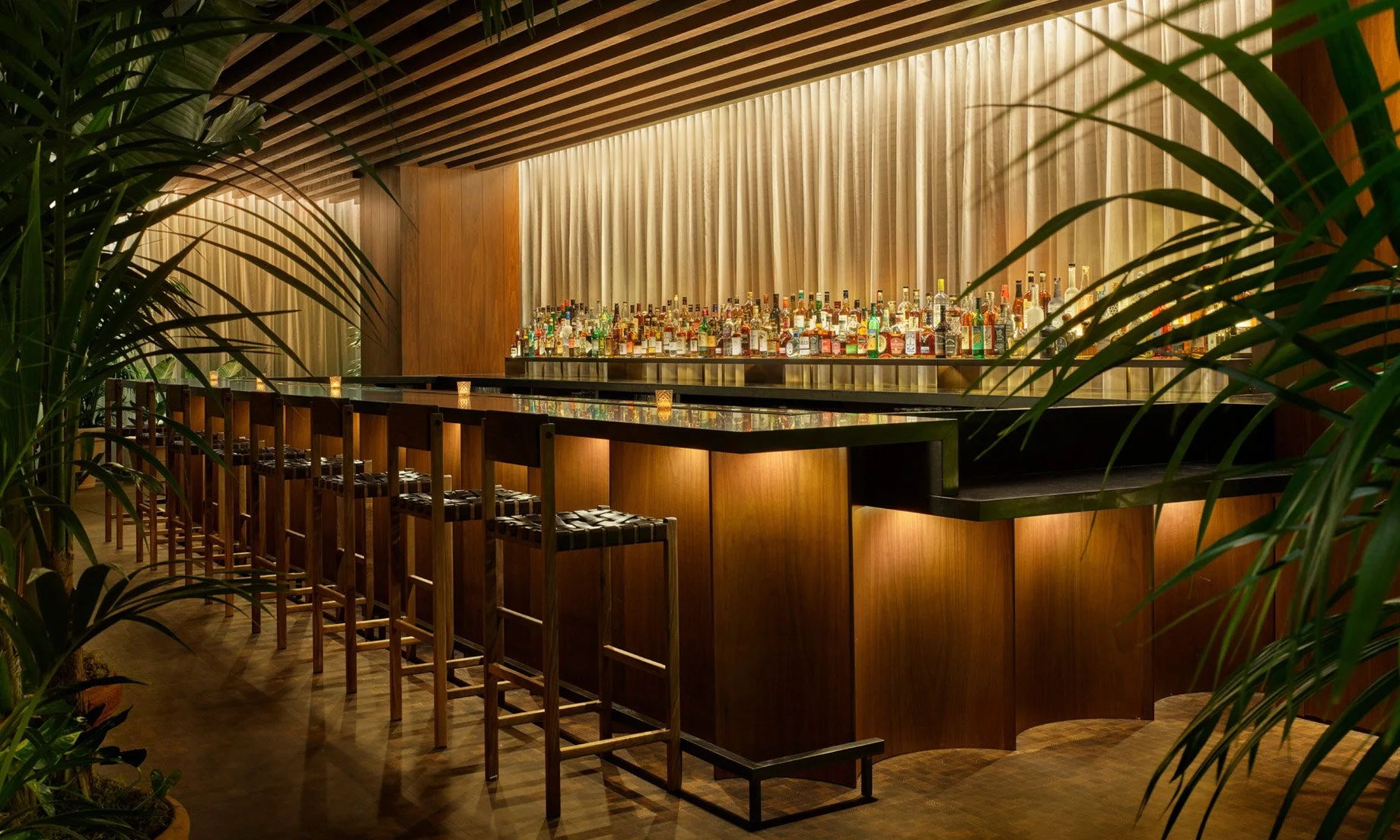
The West Hollywood EDITION Hotel, CA, USA
At first glance, creating an opening in the ceiling and placing lighting inside it may seem straightforward. In reality, there is far more art and precision involved. Especially if the goal is to create a feature with a lasting impression.
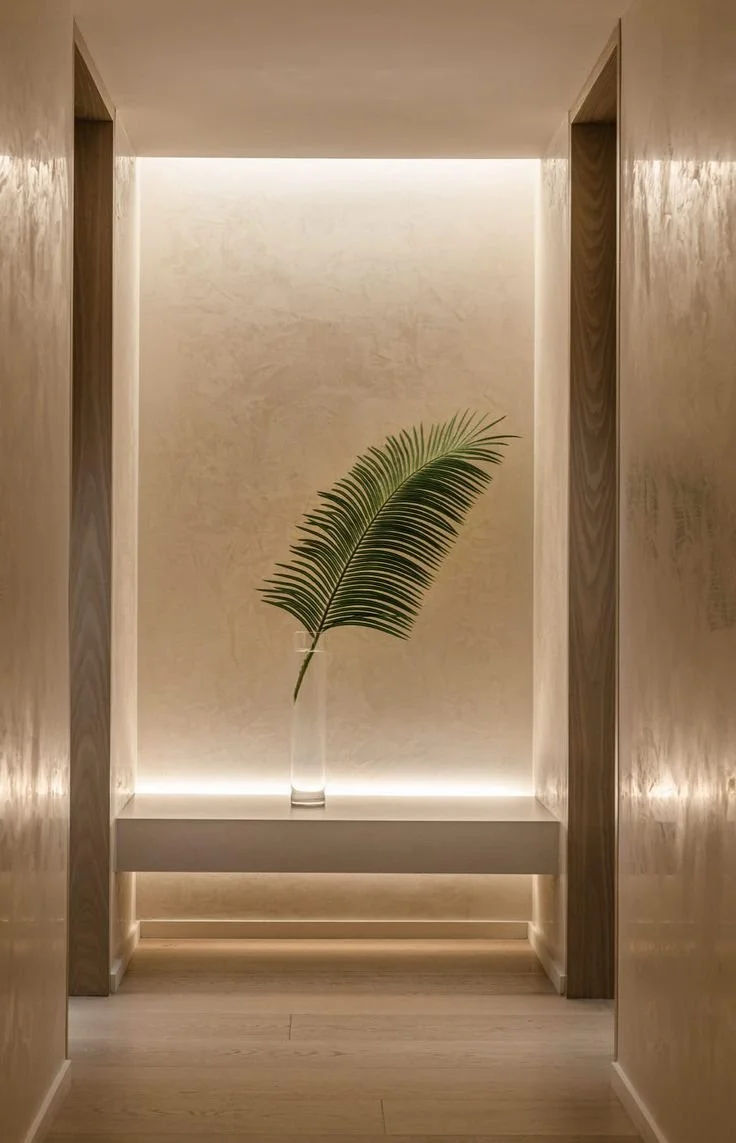
Wall Fineshes Matter
Matte, glossy, or honed surfaces reflect light differently, affecting placement and output.
One of the key considerations is wall finishes.
Are the surfaces matte, glossy, or honed? Each finish reflects light differently, which directly affects how the light source should be positioned within the cove. The ultimate goal is always the same: a soft, even glow, rather than visible LED strip reflections, spotting, or harsh dotting effects.
The ultimate goal is always the same: a soft, even glow, rather than visible LED strip reflections, spotting, or harsh dotting effects.
Then there is the consideration of room height.
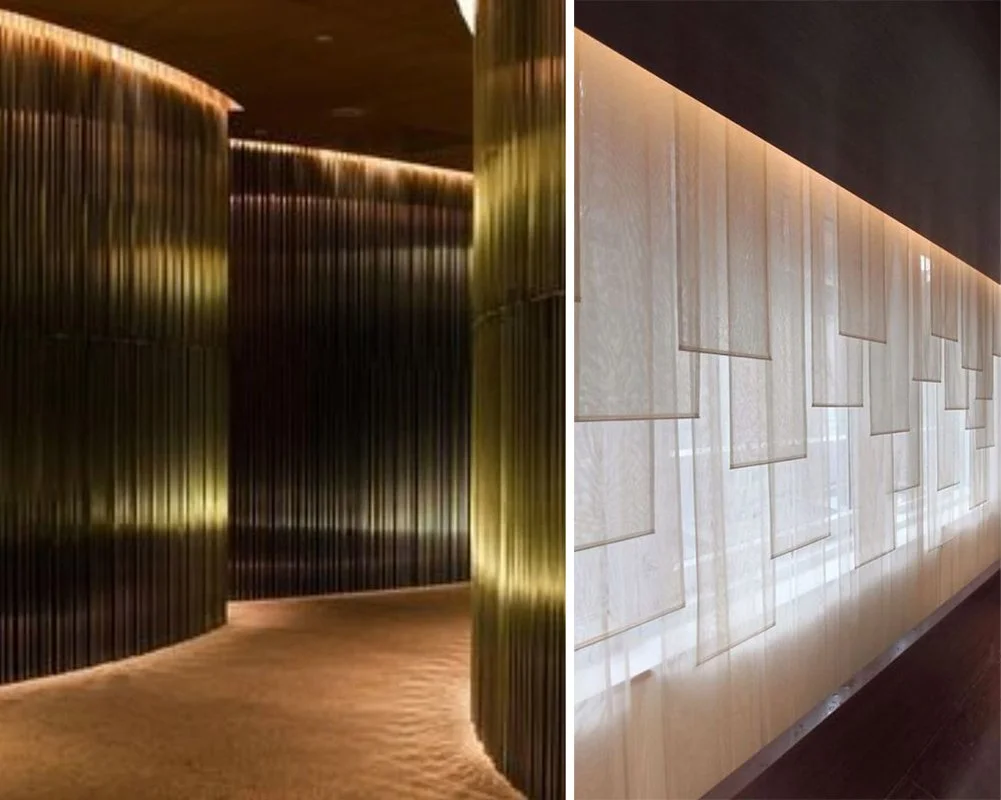
Texture adds another layer of complexity. If the wall surface is textured, the design intent becomes even more important. Should the lighting be dramatic and expressive, or calm and soothing? There is no right or wrong answer, but a clear understanding of the desired visual effect will guide both the construction of the detail and the selection of the light source.
At this point, one might ask: what does ceiling height have to do with a cove detail? It’s easy to assume that the size of the opening should always remain the same. Unfortunately, that’s not the case.
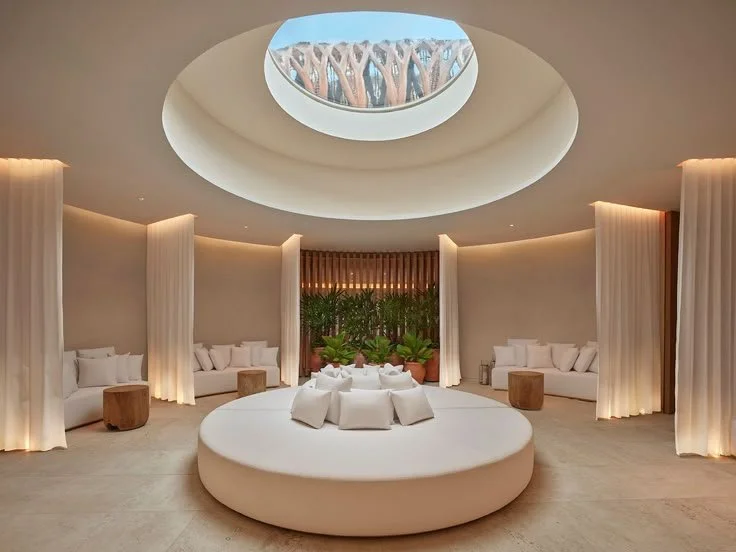
The Riviera Maya EDITION Hotel, Mexico
As ceiling height increases, the volume of space also increases, and more light is required to properly illuminate it. To achieve this, the cove opening must become larger, allowing for greater light output and better distribution. Proportion, scale, and light performance must work together to maintain the intended atmosphere.
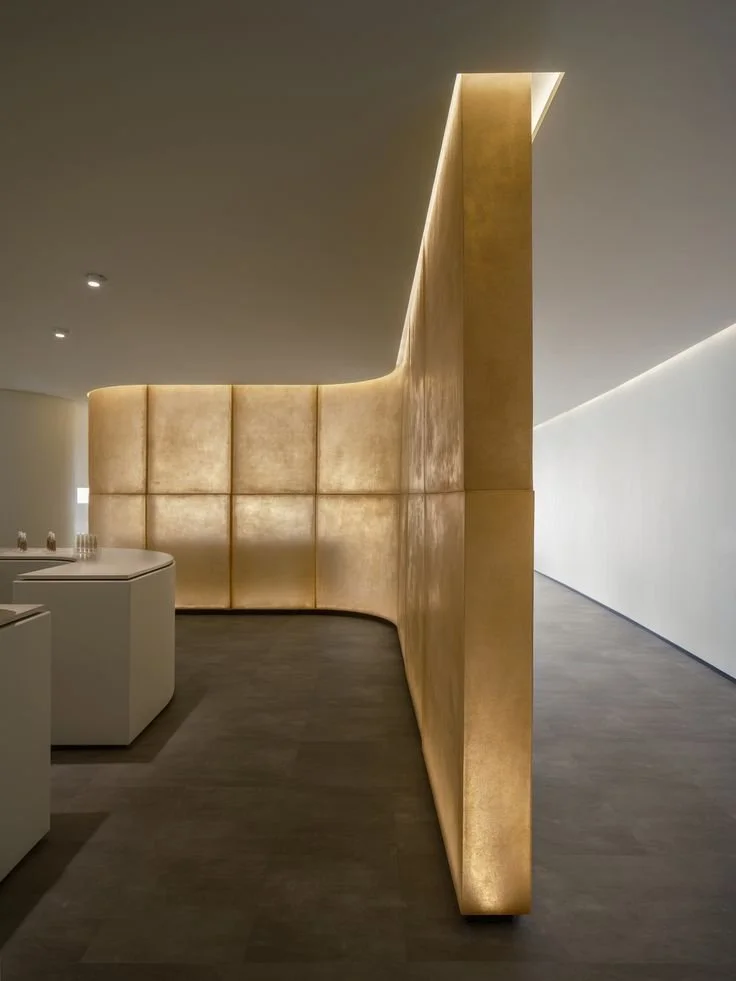
All must come together
As space increases, light output and cove dimensions must adjust accordingly.
The most powerful lighting effects are often the quietest ones. When carefully designed, ambient light doesn’t demand attention. It simply makes a space feel right. What do you think?
If you’d like to explore how ambient lighting can be integrated effectively into your project, we invite you to reach out for a complimentary consultation.