
Quiet Luxury in Lighting
One of the prevailing trends in fashion and design today is Quiet Luxury. A quick Google search describes it as “aesthetic grounded in timeless elegance and exceptional craftsmanship. It rejects the flashy and ostentatious in favour of subtlety, refinement, and enduring quality.”
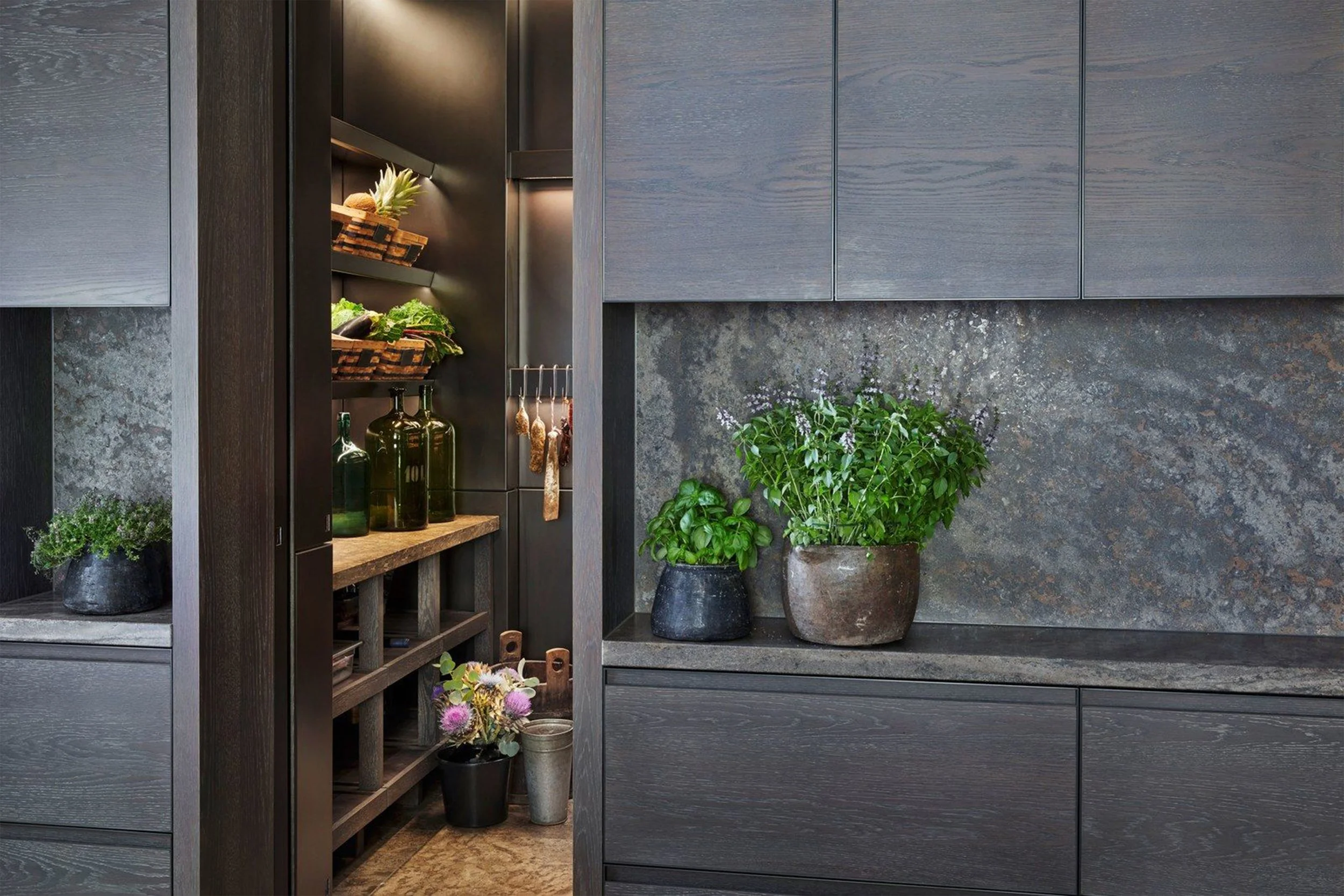
Christian Liaigre, Munich project.
But how does Quiet Luxury translate into lighting design?
At first glance, it might appear to be about choosing well-crafted decorative luminaires, pieces made from beautiful materials such as fine metals, glass, or fabric. However, in my view, it goes beyond that. Craftsmanship isn’t just about the production of an object or luminaire; it’s about the knowledge and skill required to seamlessly merge function with aesthetics, light with material, and atmosphere with purpose.
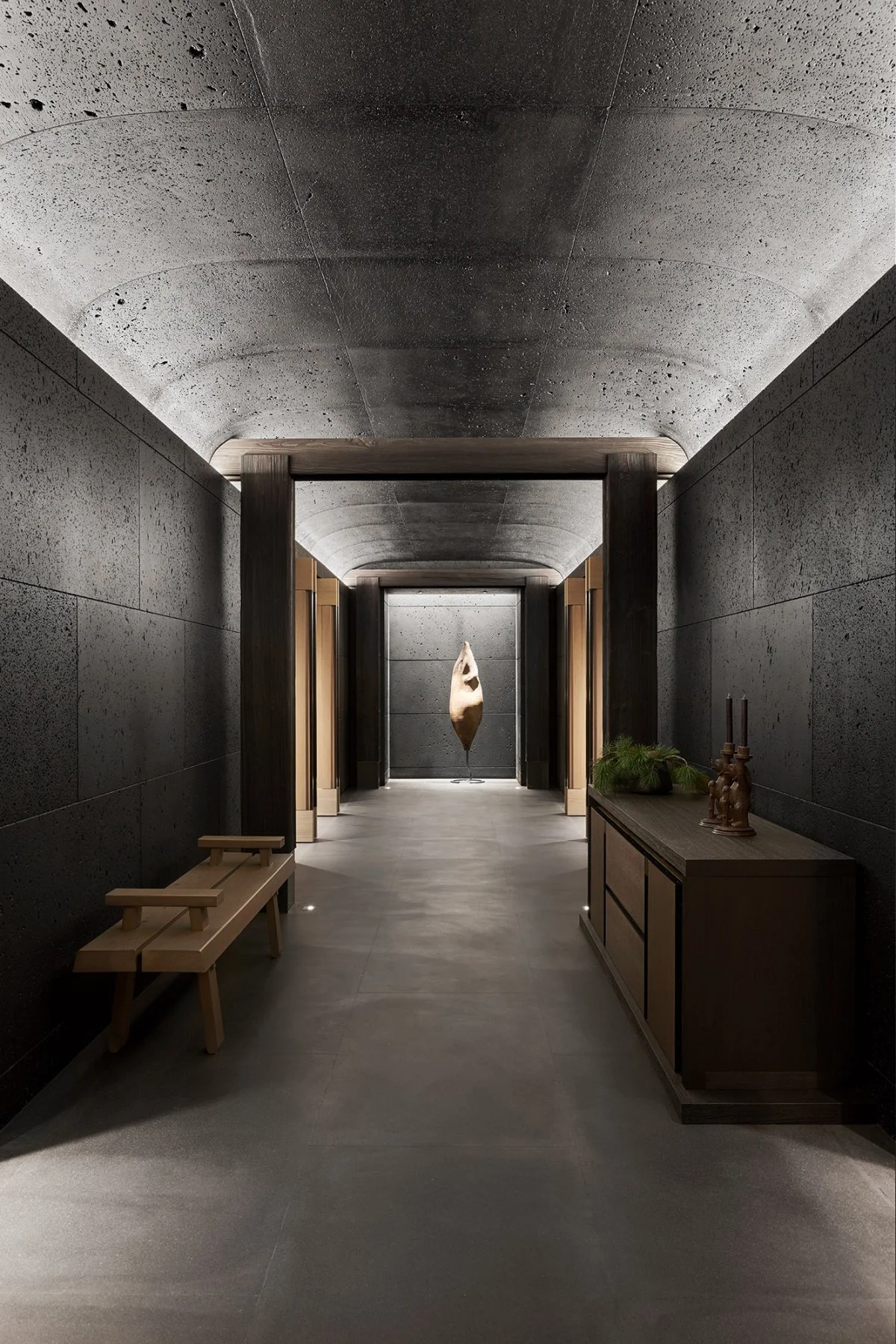
Great interiors sing in daylight and again at night, when lighting design takes centre stage.
Designers like Christian Liaigre and Rose Uniacke embody this philosophy. Their designs exuded Quiet Luxury long before it became a trend. Their interiors are a masterclass in balance: the careful selection of finishes, furnishings, and their placement. At the same time, their success lies in collaborations with various specialists, including lighting designers who bring a layer of precision and artistry that allows their interiors to sing in the daylight and again at night, when artificial light takes centre stage.
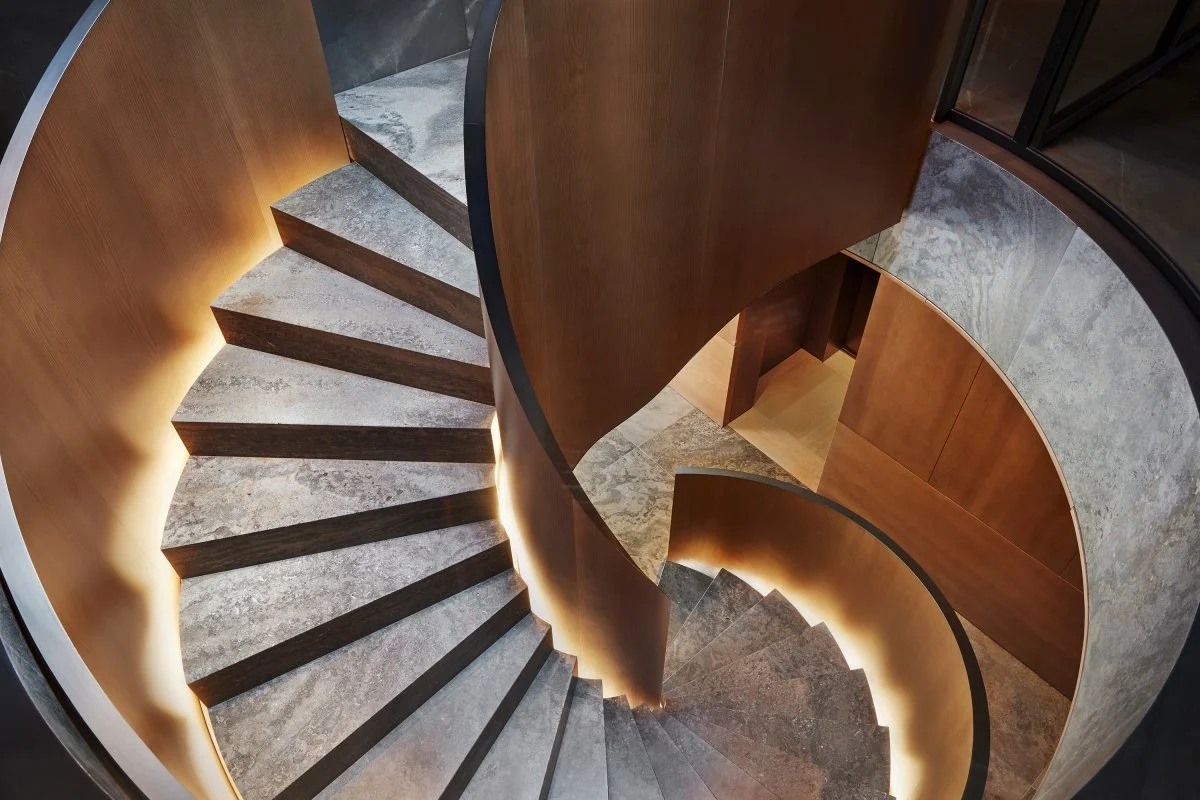
Christian Liaigre, Munich project.
Having had the honour of collaborating with both Christian Liaigre and Rose Uniacke, Quiet Luxury in lighting is defined not by opulence, but by restraint, harmony, subtraction, and respect for craft, a dialogue between light, shadow, material, and space.
Every cove, every downlight in the ceiling is carefully placed to respect the interior features, such as built-in joinery, key furniture pieces, or art. Every light fixture inside cabinetry is carefully detailed to work with the selected materials and function. But it goes beyond just placing lights in particular locations. All lighting elements need to be matched in their appearance so that you don’t end up with mismatched lighting colour temperatures. You might not consciously realise it, but it can destroy the atmosphere in a room.
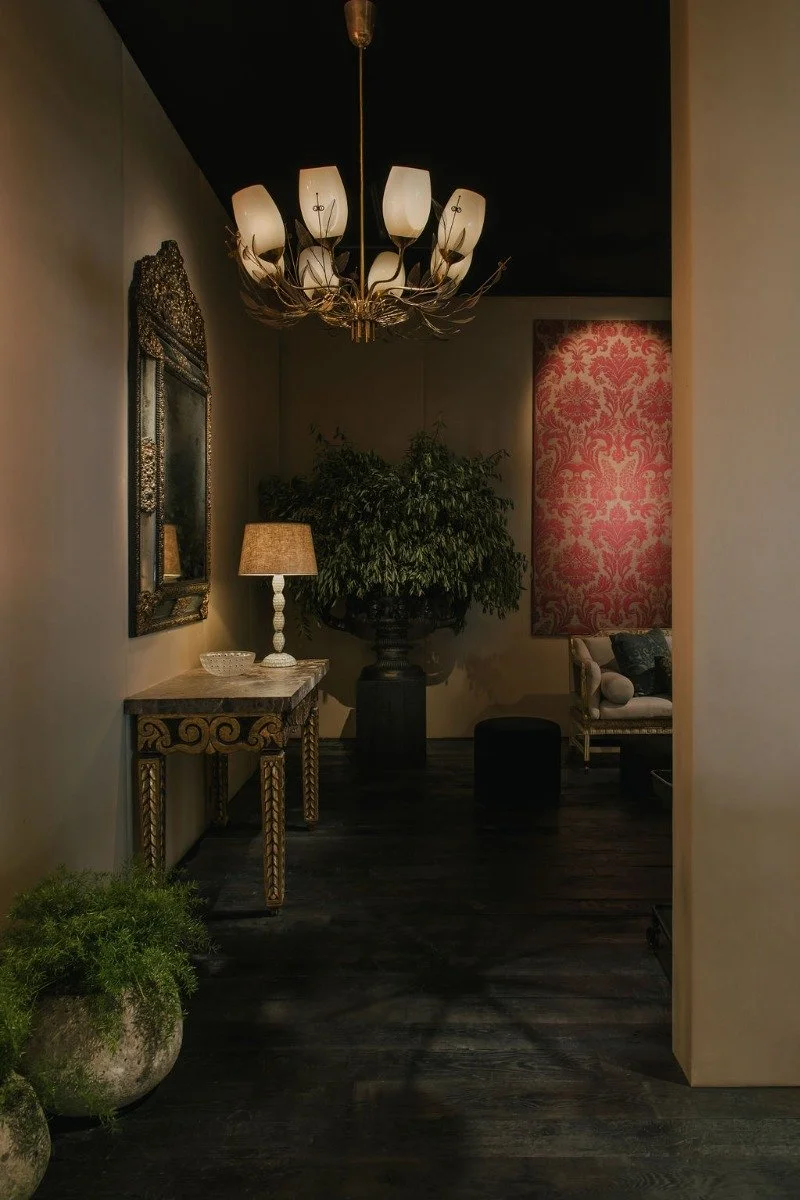
You might not see it, but you'll feel it. Every component is chosen and tested as one — because light should just work
You won’t know what it is, but instinct will tell you that something is not quite right. Even dimming and lighting control are carefully selected and tested together to achieve a smooth and seamless performance. Nobody is interested in flickering lights or overcomplicated control interfaces.
Ultimately, the lighting solution evolves alongside the interior itself. Lighting is not an afterthought, but an essential design layer that shapes perception, mood, atmosphere, and space.
For me, Quiet Luxury in lighting is when light and architecture speak the same language, where every fixture, every reflection, and every shadow feels intentional.
P.S. There are, of course, many other interior designers whose beautifully considered work reflects this same spirit of Quiet Luxury. Far too many to list here. 😊
P.P.S. Many thanks to all the AV and MEP specialists who support lighting designers with their expertise and collaboration.
If you’d like to explore how ambient lighting can be integrated effectively into your project, we invite you to reach out for a complimentary consultation.