
Downlights
Downlights can be the unsung heroes or the villains of interior design lighting. As a lighting designer, I’ve heard countless opinions from clients, architects, and interior designers questioning their use.
Many argue that downlights are glary and overwhelming, creating a sterile, “operating theatre” effect.
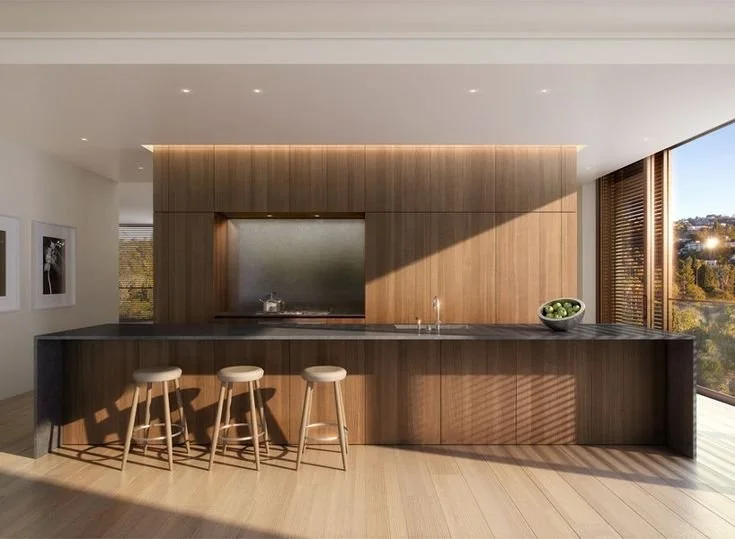
Ian schrager + John Pawson West Hollywood's residence
After years of discussions and observations, I realised that inherently, there’s nothing wrong with downlights when they are used thoughtfully.
Here’s what I’ve learned and apply in my designs:
Avoid overuse
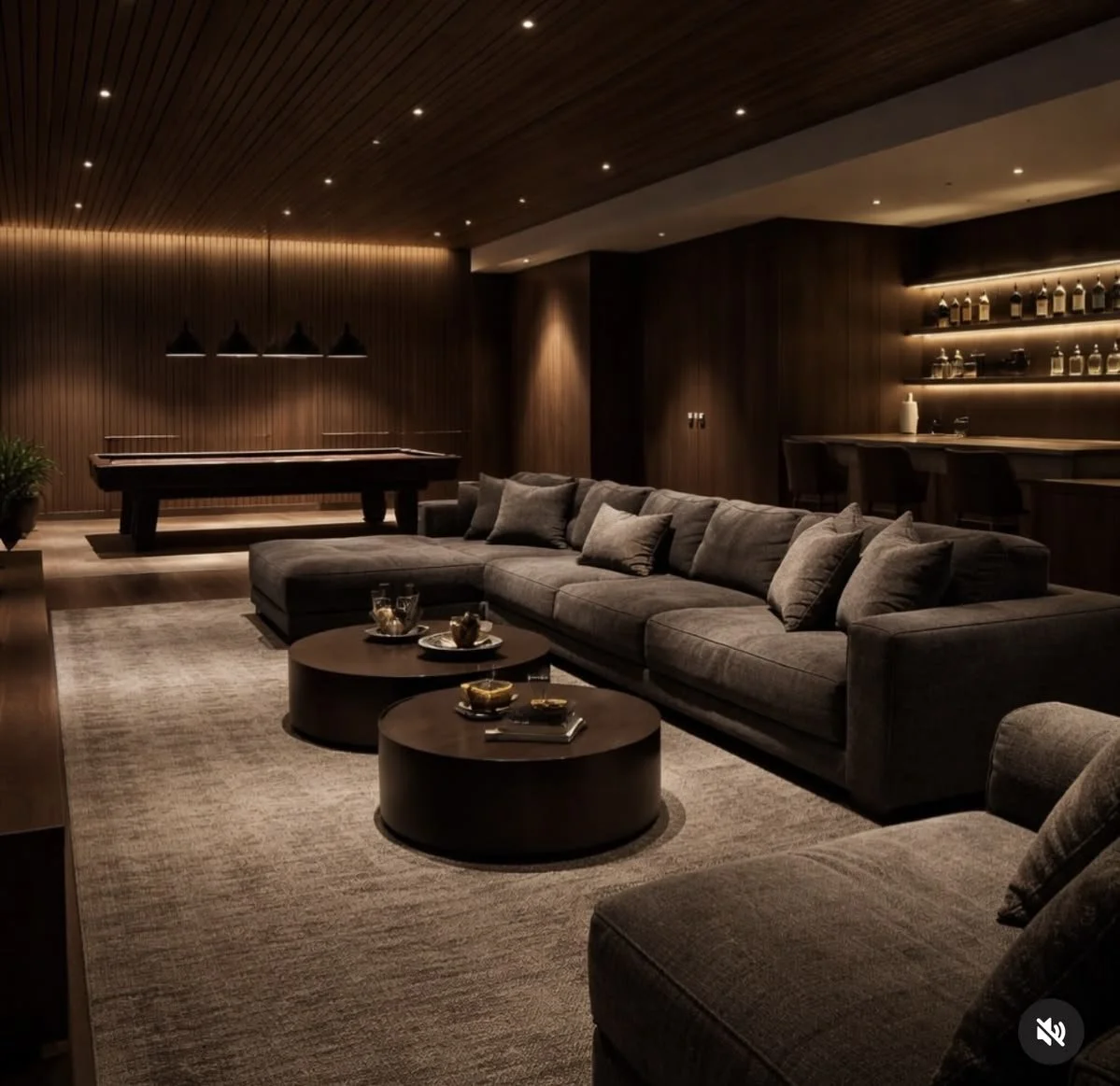
Too many downlights, especially fixed ones that can’t be tilted and adjusted, can make floors overly bright while leaving finishes, textures, and artwork in shadow. The result is often a flat, lifeless interior. It can also highlight dirt andimperfections, which is particularly problematic in spaces like cafés and restaurants.
Don’t abandon them entirely
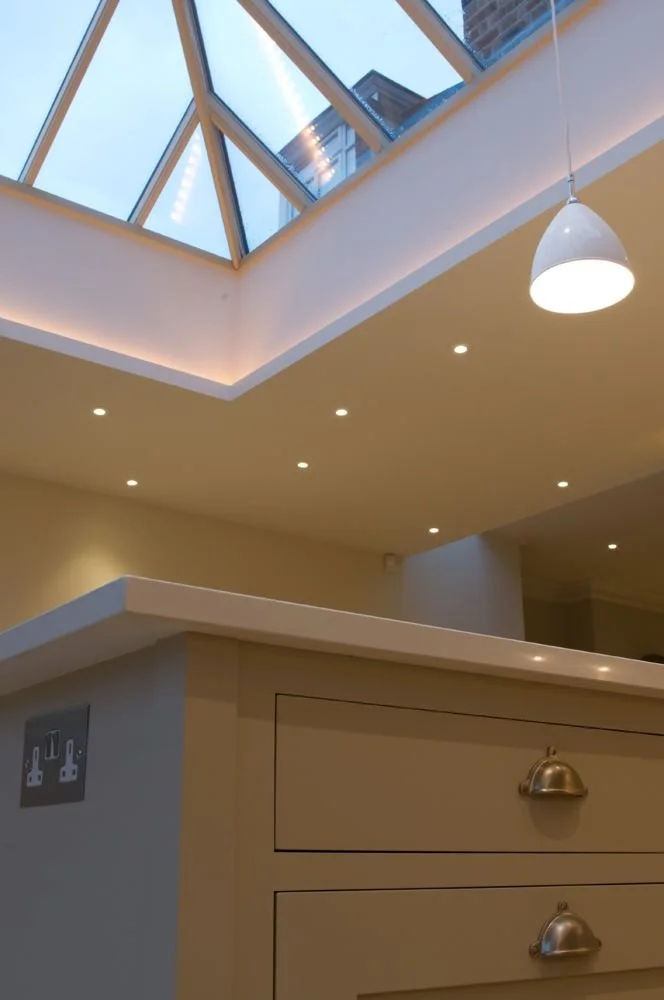
Spaces without downlights can lack functionality and focus, especially after daylight hours. They’re essential for task lighting and for emphasising key features, such as kitchens, vanities, and focal points.
Layer your light
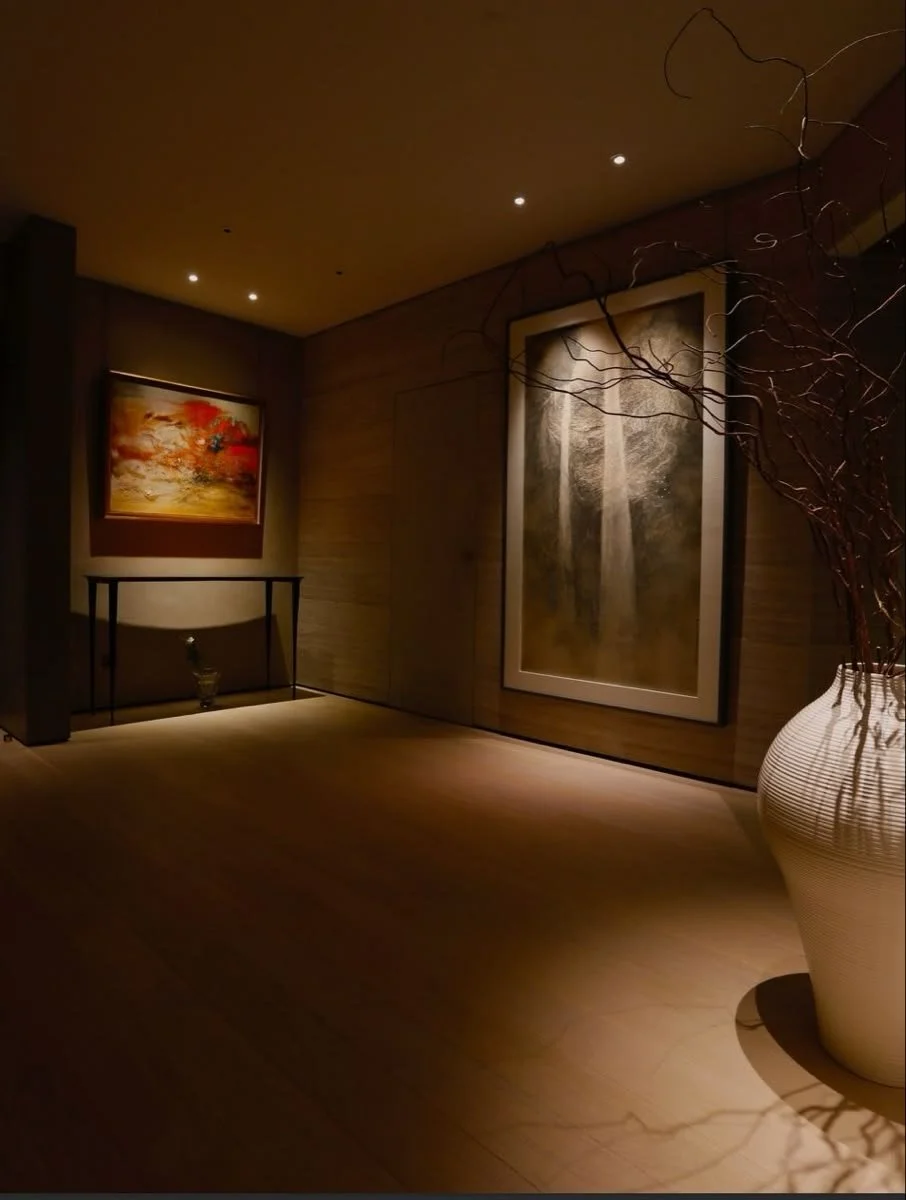
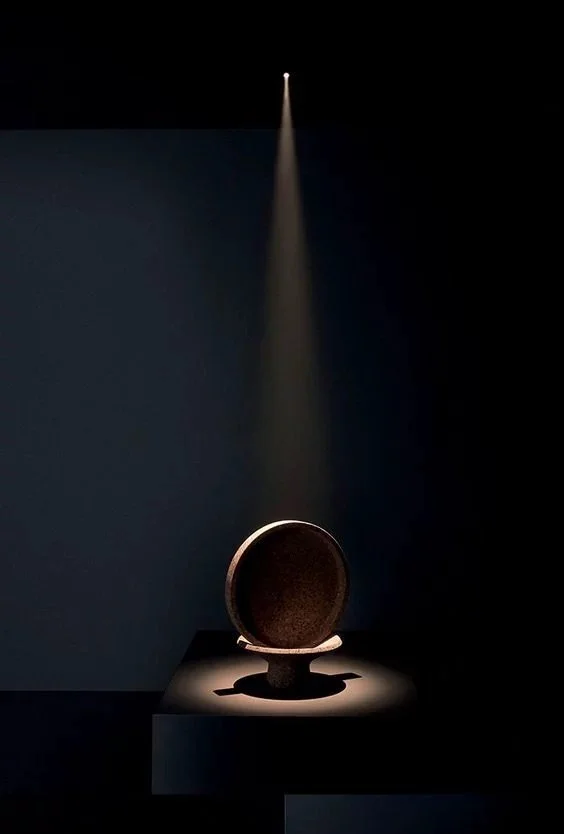
Downlights should complement and not dominate a room’s lighting scheme. Accompany them with pendants, wall sconces, and accent lights to highlight architectural details and create the mood and atmosphere you’re looking for.
Think placement, not patterns
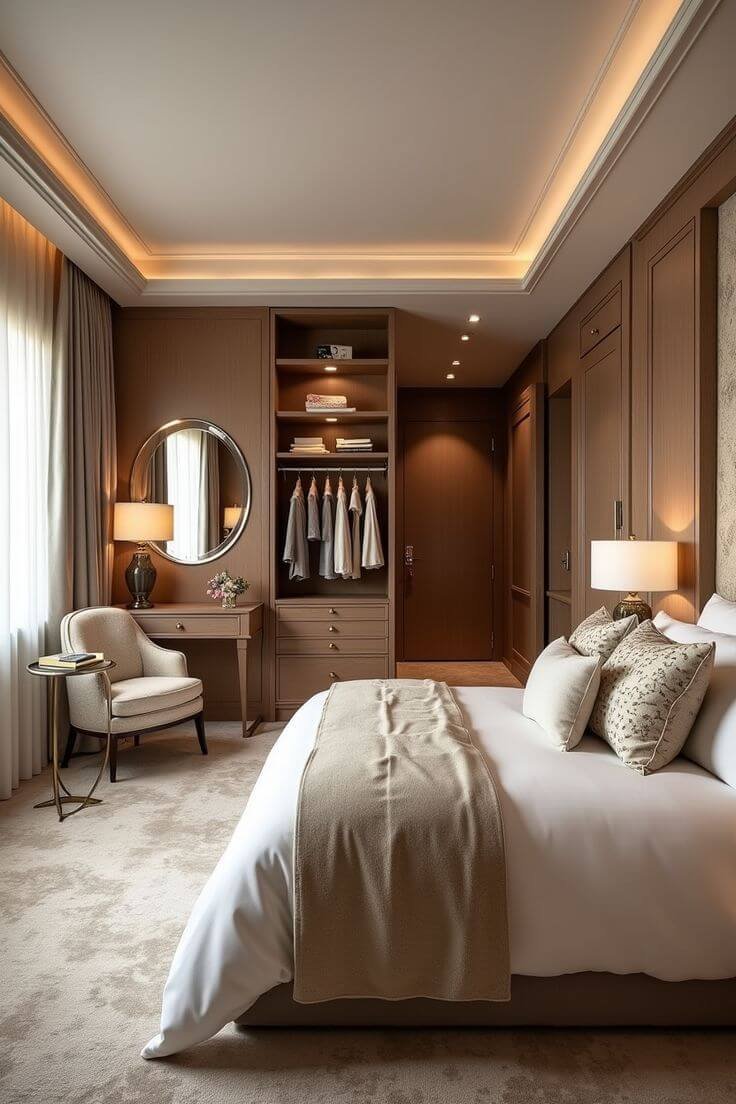
Skip the grid! Strategic placement of downlights can subtly enhance the space while maintaining ambience.
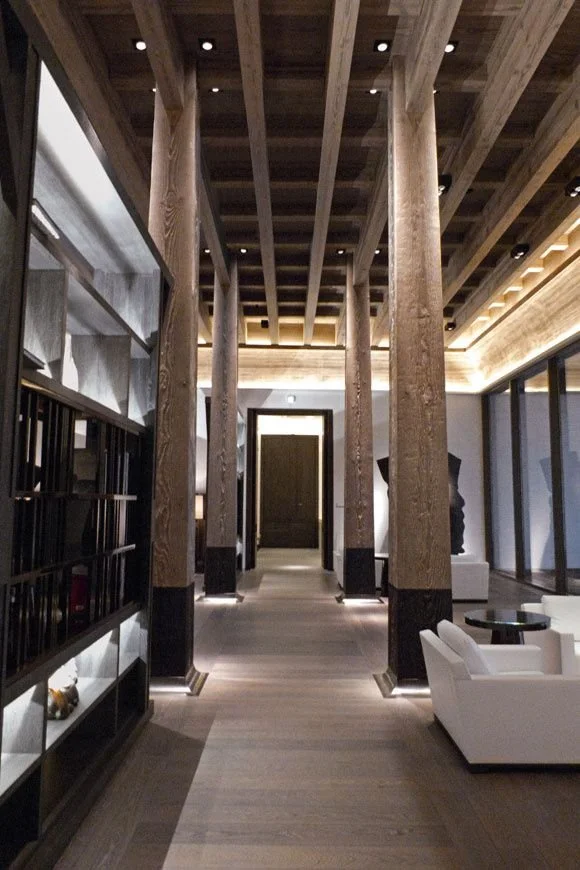
Well done
Here, downlights enhance the architecture by being placed at the base of each column.
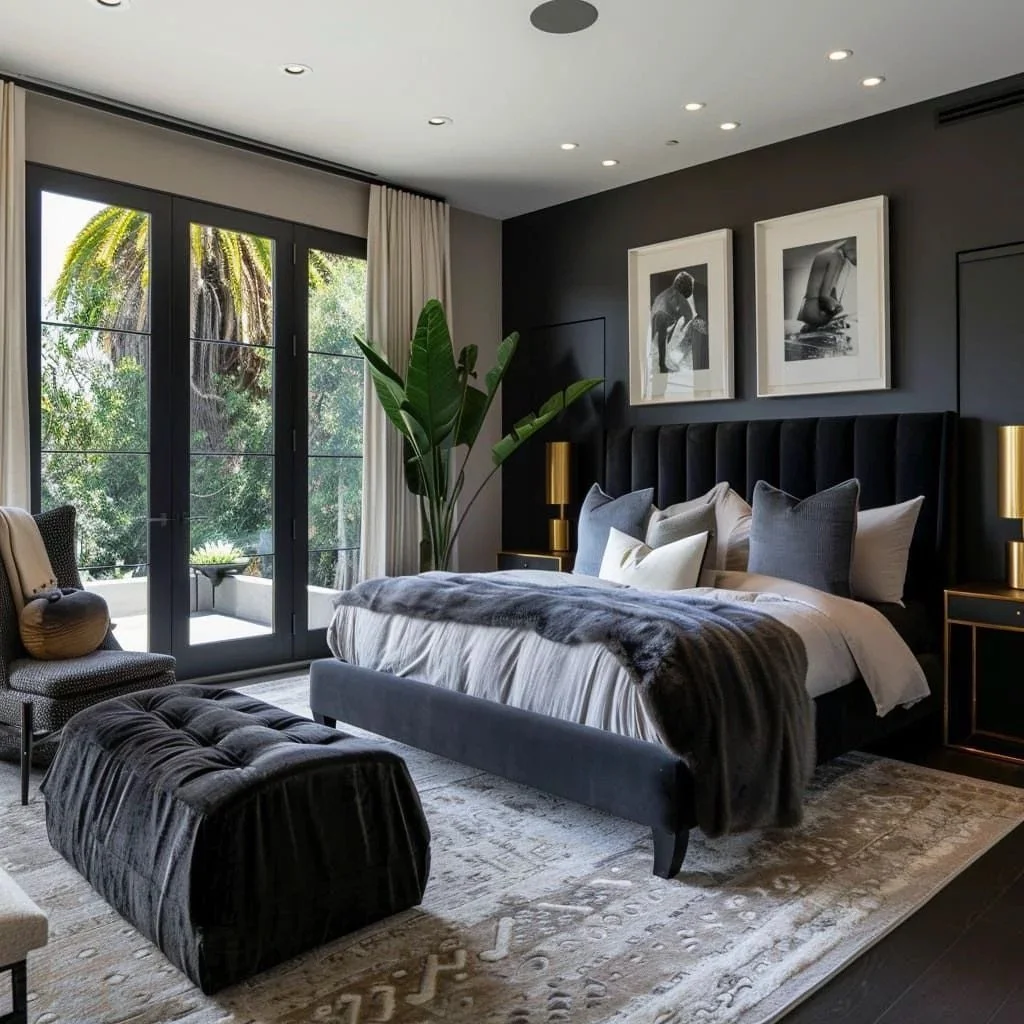
What to Avoid
Skip the grid, and avoid placing downlights directly above the bed.
Appropriate lighting colour temperature
The wrong colour temperature can undermine a space. Choose one that suits the function. Restaurants, retail environments, and homes all benefit from different lighting tones to achieve the right look and feel.
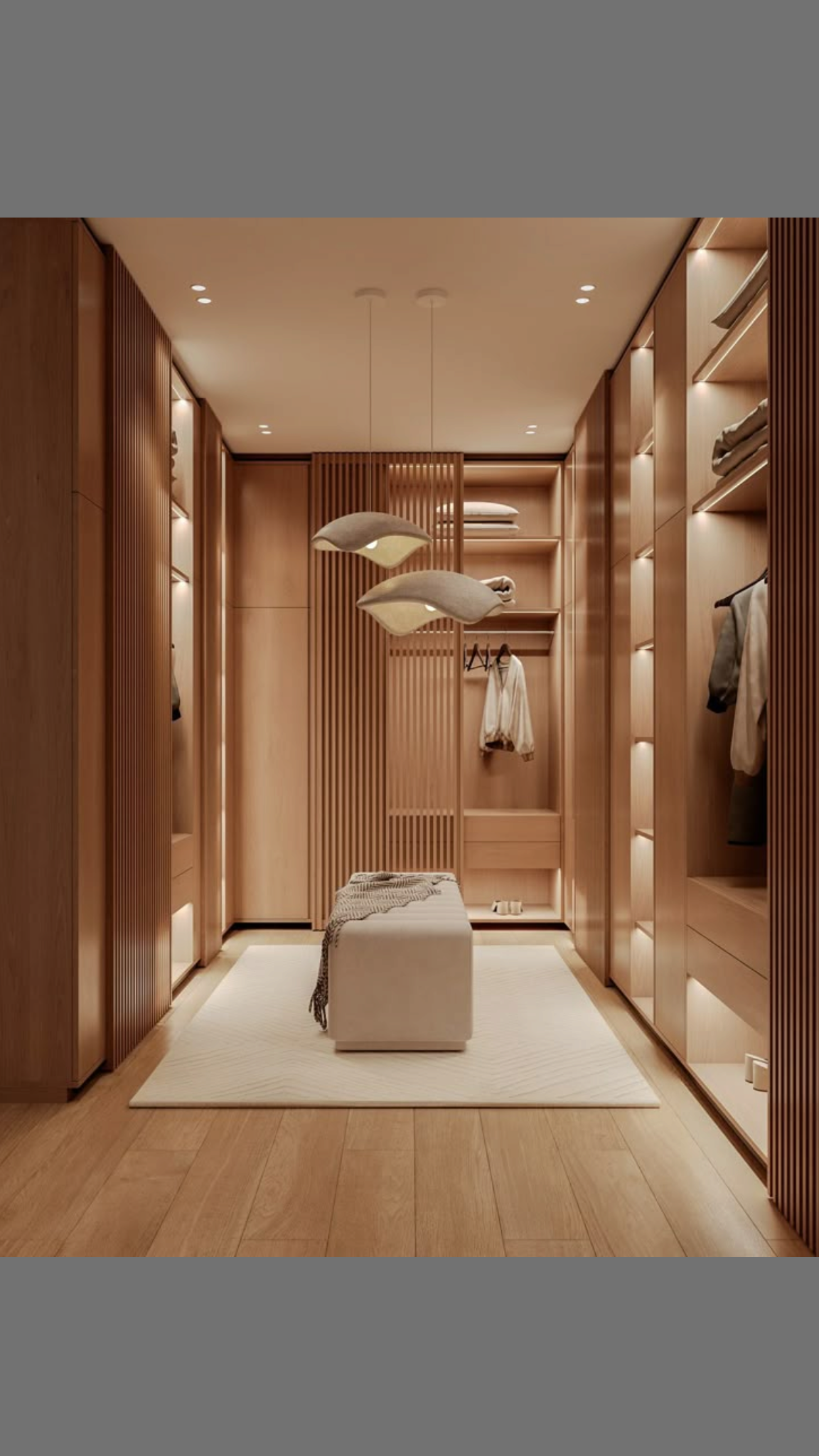
Lighting is as much about atmosphere as it is about illumination. With the right approach, downlights can elevate a space rather than overpower it.What are your thoughts? Have you come across the “downlight debate” in your projects?
If you’d like to explore how ambient lighting can be integrated effectively into your project, we invite you to reach out for a complimentary consultation.